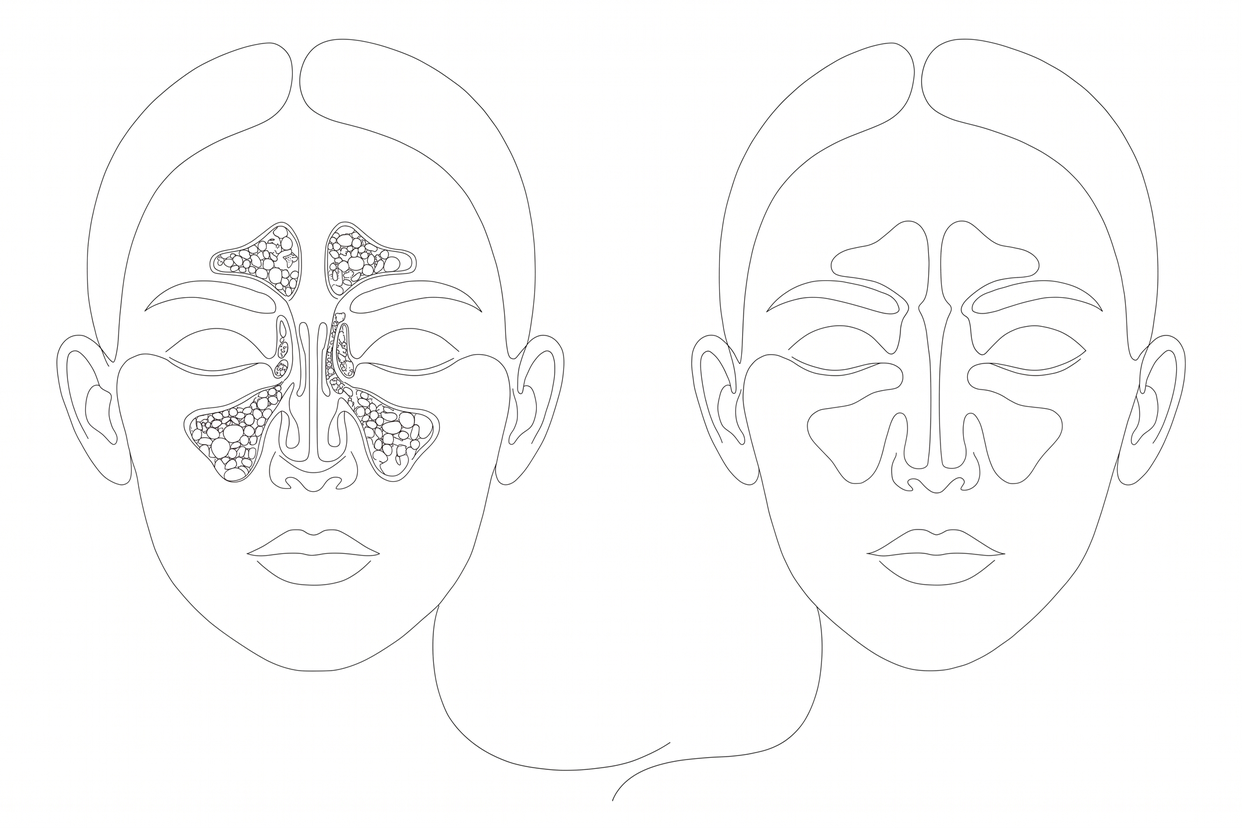
Nasal and sinus surgery is performed to improve airflow through the nose, treat blocked sinuses and relieve the symptoms that interfere with sleep and quality of life. Most patients seen for sinus surgery have already been diagnosed with chronic sinusitis or another sinus condition. For more on the underlying condition, see Sinus Issues. Surgery is generally considered when medication and conservative treatment haven’t given lasting relief.
Nasal and sinus procedures
Depending on your assessment, Dr Padhye may perform one of the following procedures.
Septoplasty
A procedure to straighten a deviated (bent) nasal septum — the thin wall of bone and cartilage that divides the inside of your nose into two sides. When the septum is crooked, breathing through the nose can be more difficult.
During a septoplasty, the bent portion of the bone and cartilage is removed after carefully lifting the lining of the septum. Important structural aspects are left intact, and the lining is replaced on either side. With very severe deviations, Dr Padhye may need to remove a greater portion of the septum, re-fashion and reinforce it, and replace it in a corrected position.
The procedure takes around 45–60 minutes and is performed under general anaesthesia. More extensive cases may take longer. Silicone splints are often placed inside the nose to aid healing — these are removed in the office at your first post-operative visit.
Turbinate surgery (Turbinate reduction or Turbinoplasty)
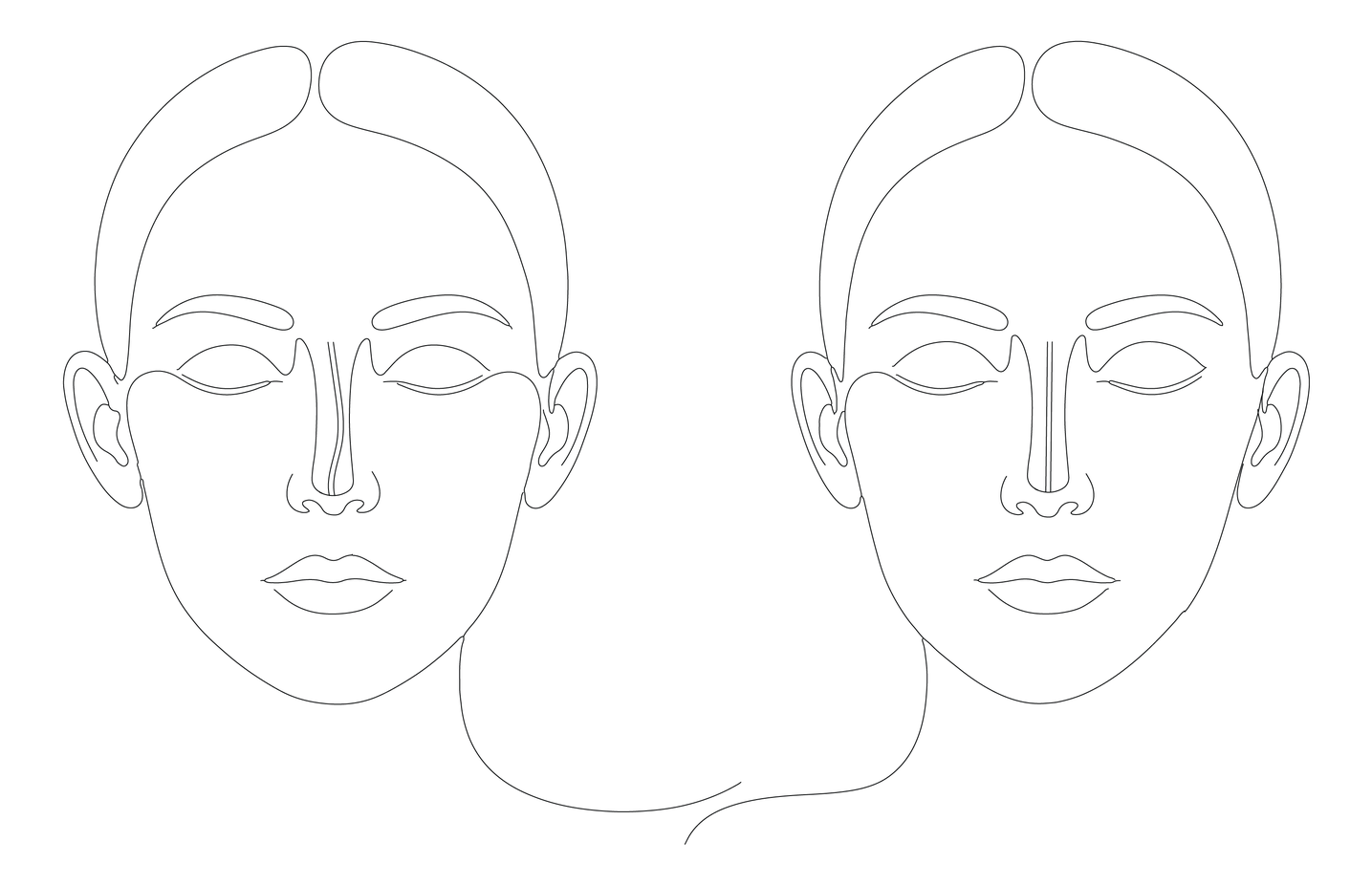
Reduces the size of enlarged nasal turbinates to improve airflow. Your turbinates are the bony structures (lined with nasal skin) inside the nose that warm and filter the air you breathe. When they become enlarged, they block the airways. Turbinate surgery is typically performed endoscopically through the nostrils under general anaesthesia, with dissolvable dressings placed at the time of surgery.
Valve surgery (including LATERA implant)
In select cases, surgery can be performed to support a collapsing nasal valve. This may include techniques to suspend the collapsing cartilage with sutures, or the use of a bioabsorbable implant to support the cartilage. LATERA is a minimally invasive dissolvable implant placed through a tiny incision inside the nostril. The procedure takes around 15 minutes and is a day procedure.
Endoscopic sinus surgery
A minimally invasive procedure to treat sinusitis, usually performed under general anaesthesia. It typically takes 1–2 hours depending on the complexity.
Dr Padhye performs the surgery through your nostrils with no external incisions — using a small telescope (endoscope) and specially designed sinus instruments to remove polyps and widen the sinus openings. This procedure is often combined with septoplasty and turbinate surgery. Dissolvable packing is usually placed at the time of surgery.
Posterior nasal nerve section (PNN or neurectomy)
A minimally invasive endoscopic procedure that, in select cases, treats chronic nasal inflammation by disrupting the nerves responsible for a runny nose, congestion and itching.
Cauterisation for nosebleeds & sphenopalatine artery (SPA) ligation
Cauterisation is a minor procedure to treat nosebleeds (epistaxis). A small chemical cautery stick is applied to the bleeding vessels in the nasal lining. The procedure is performed under local anaesthesia in the office. Occasionally — for example, in young children who can’t tolerate the office procedure — it can be performed under a brief general anaesthetic as a day case.
For severe or recurrent bleeding, Dr Padhye may perform an endoscopic ligation (tying off) of the sphenopalatine artery — one of the larger arteries supplying the nasal cavity, located toward the back of the nose. Addressing this vessel can significantly reduce or stop recurrent bleeding.
Recovery
Your recovery will depend on the procedure. Following nasal surgery, patients usually stay overnight in hospital, though day-procedure options are available for some procedures. Before being discharged, you’ll be taught how to perform nasal saline flushes and given instructions on which medications to use.
It’s common to experience some minor bleeding or blood-stained mucous secretions from the nose after surgery — this usually resolves within 24–48 hours.
Costs
Before proceeding, our practice will provide written documentation of all costs associated with your procedure — your surgeon’s fee, anaesthetist’s fee and hospital fees. Claiming from your health insurance fund will be explained at that time.
Risks and complications
Every surgical procedure has risks. Dr Padhye will discuss the potential risks and complications associated with your specific nasal surgery during your initial consultation.
Your initial consultation
Every patient begins with an initial consultation with Dr Padhye. He’ll review your medical history, perform a thorough examination, organise further tests if required, and answer your questions. If nasal or sinus surgery is appropriate, he’ll present a tailored surgical plan so you can make an informed decision about whether to proceed.
Your follow-up appointment
Dr Padhye usually sees patients two weeks after nasal or sinus surgery to review progress and perform any nasal cleaning required. A second follow-up is scheduled approximately six weeks after the first post-operative review. Our practice will coordinate dates with you before surgery — and if you have any questions before or after surgery, please call our clinic.