Treatments for sleep apnoea range from lifestyle changes and CPAP through to surgery and implantable options. The right path depends on what’s causing your apnoea, your anatomy and how you’ve responded to non-surgical therapies. For more on the underlying condition, see Snoring & Sleep Apnoea.
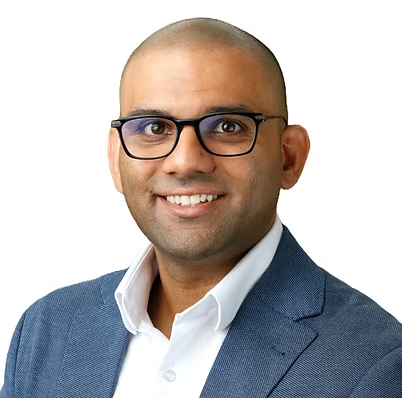
Dr Padhye completed his sleep surgery training at Stanford University, and is the only Australian ENT surgeon with formal Inspire® implant certification. He is also the lead investigator on Australia’s first dual-stimulation sleep apnoea implant trial.
Your initial consultation
All patients begin with an initial consultation with Dr Padhye. He’ll perform a thorough assessment, review your medical history, and answer any questions you may have. If he thinks that sleep apnoea should be investigated further, he’ll discuss all steps involved.
This consultation allows you to learn more about your condition and treatment options so you can make an informed decision about how to proceed.
Surgical treatments for sleep apnoea
Nasal surgery
Nasal surgery can be performed to improve the flow of air through the nose. While an important component of the upper airway, improving nasal airflow alone may not treat snoring or sleep apnoea in its entirety and often needs to be combined with other surgeries or treatments. Nasal surgery may also allow individuals to use CPAP therapy more easily. Learn more about Nasal & Sinus Surgery.
Palatal and pharyngeal surgery (Uvulopalatopharyngoplasty / ‘Preservation Pharyngoplasty’)
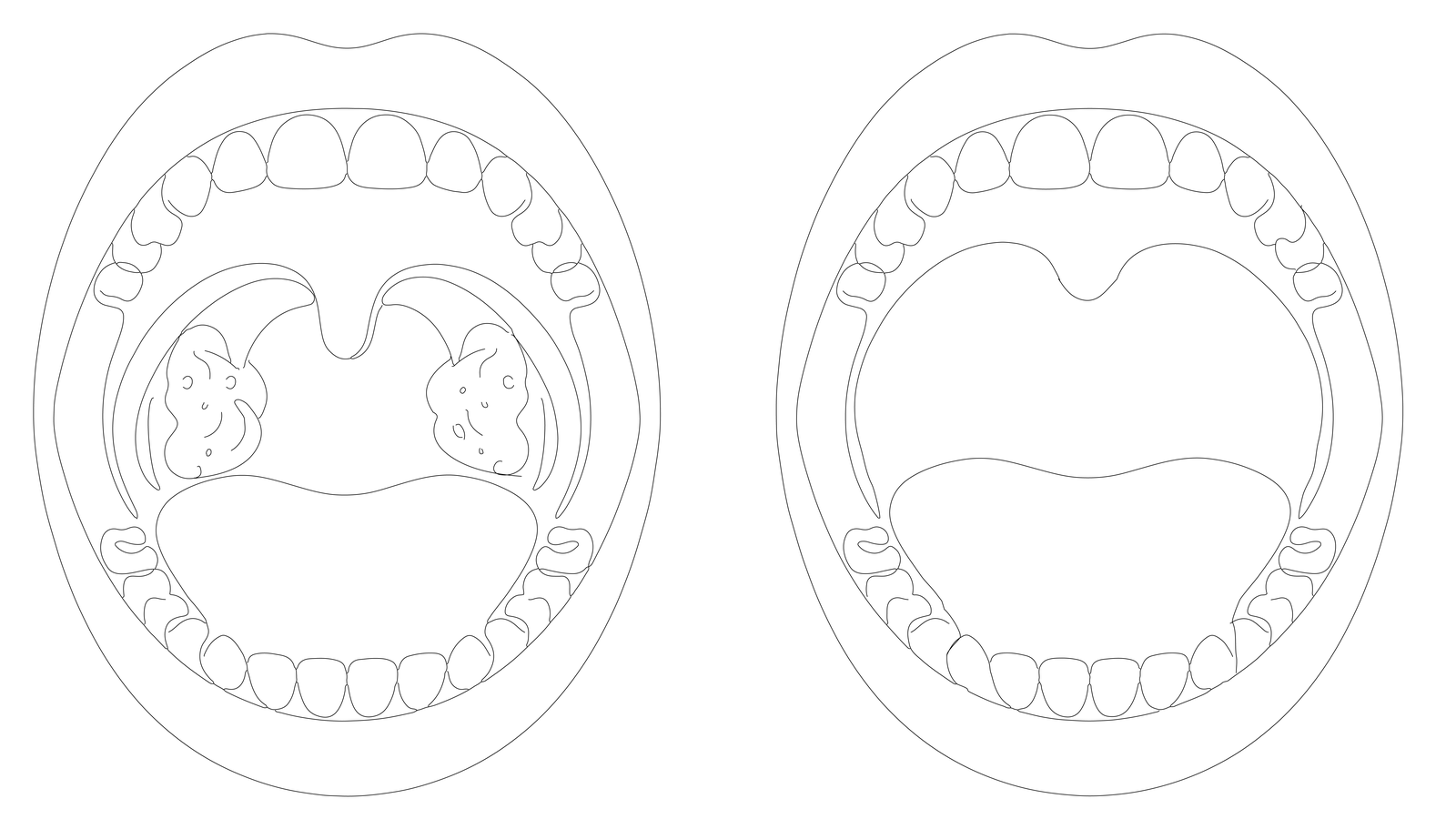
This surgery involves a combination of targeted tissue removal and tissue repositioning at the back of the throat. Dr Padhye’s preferred ‘preservation’ technique aims to increase the size of the airway without affecting normal functions such as speaking, breathing and swallowing — by removing minimal tissue and focusing on targeted repositioning of muscles. The tonsils are removed to create more space, and dissolvable sutures are used to tighten the throat muscles and promote more tension. This is akin to a ‘facelift’ for the back of the throat.
Tongue procedures
Tongue procedures for sleep apnoea aim to reduce, tighten or reposition the tongue to prevent it from collapsing into the airway during sleep. Common techniques include radiofrequency ablation (RFA or coblation), genioglossus advancement and hypoglossal nerve stimulation.
Jaw surgery (Maxillomandibular advancement)
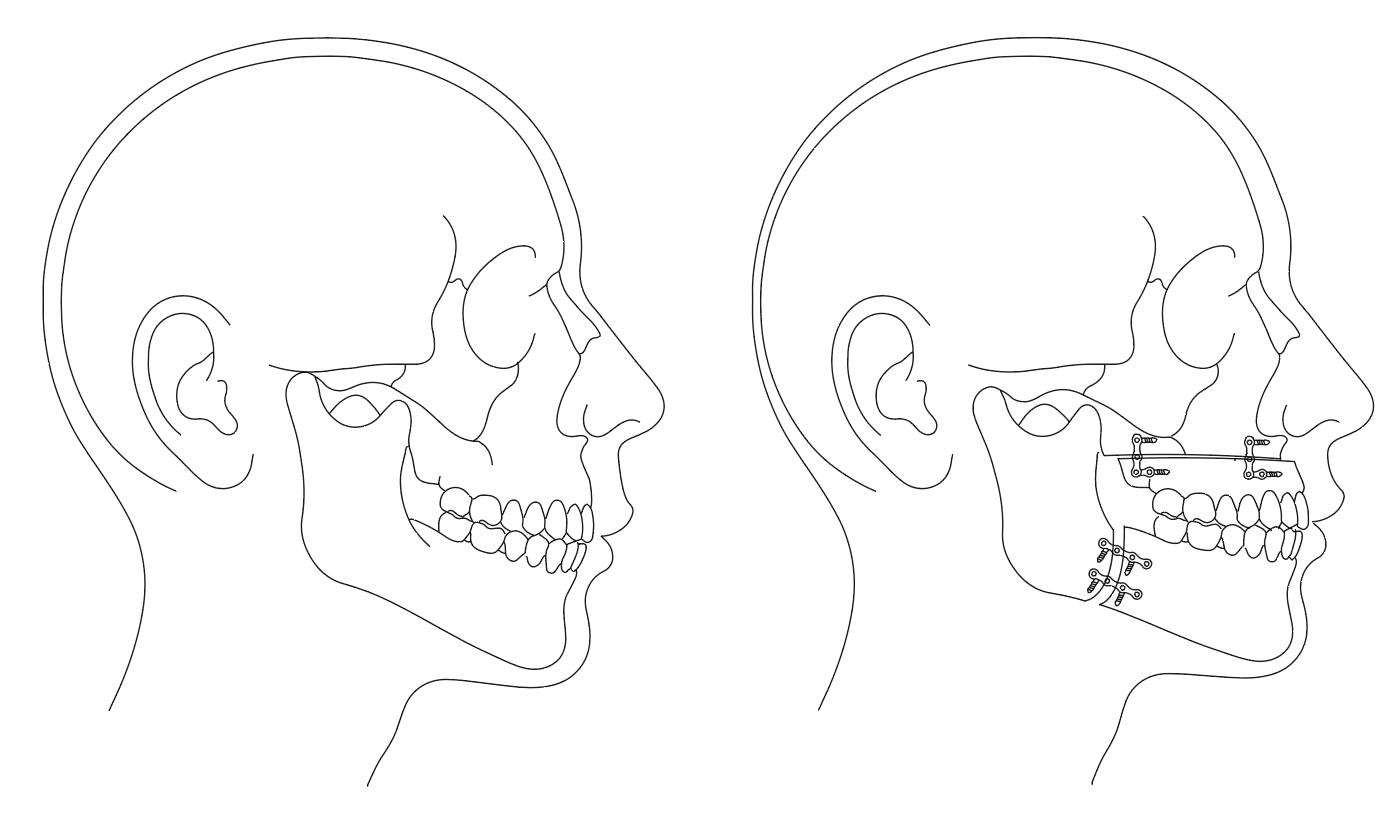
For some people, the position of the jaw may compromise the upper airway during sleep. Maxillomandibular advancement surgery (MMA), also known as double-jaw surgery, is a procedure that involves advancing and rotating the jaw bones to create more space and tension in the airway. This surgery is more involved than others and requires careful planning and workup. Recovery can be more prolonged, but in the appropriate patient, this can be an extremely effective option.
Neurostimulation
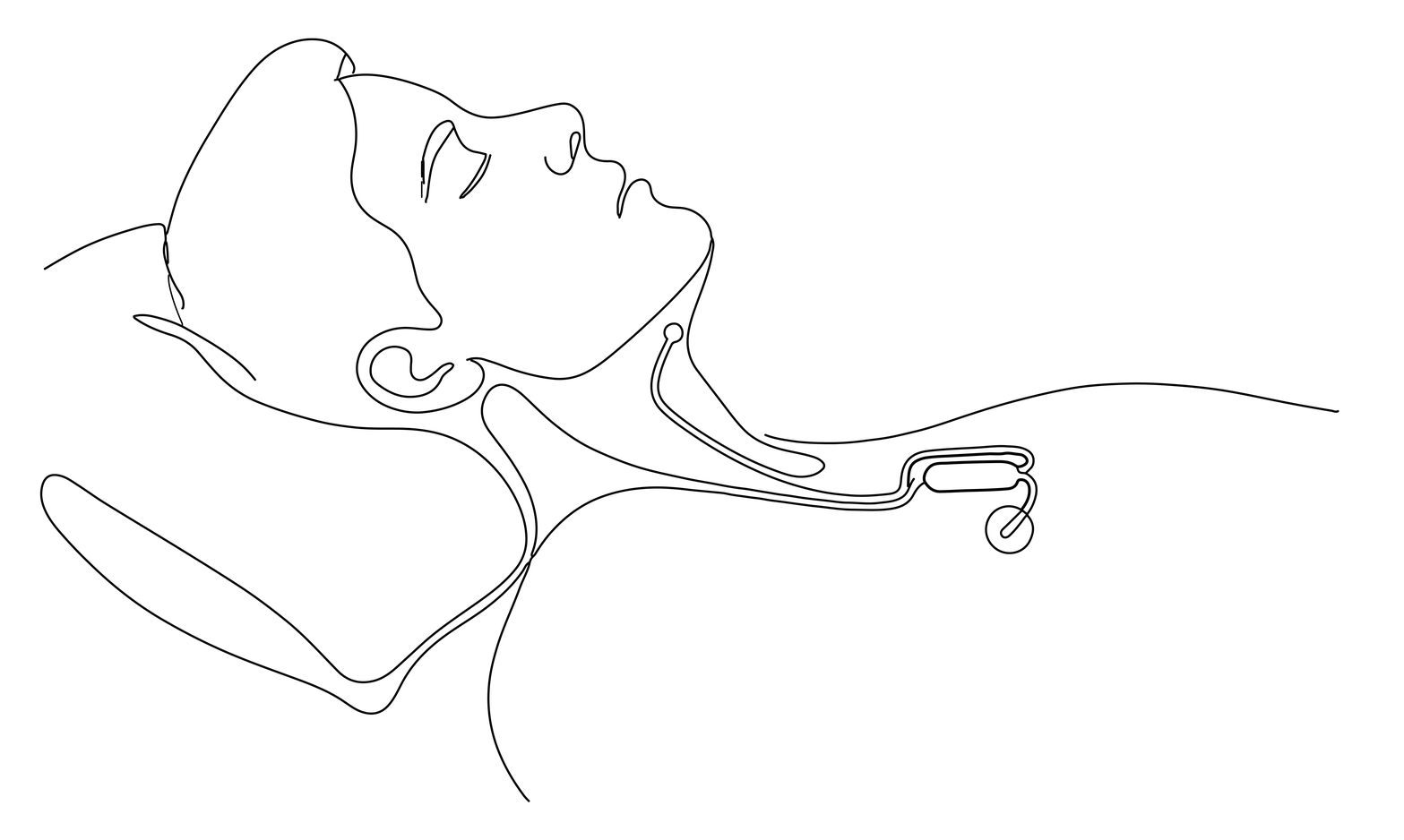
A small implant delivers gentle pulses to your airway muscles, keeping your airway open so you can breathe regularly and sleep soundly. Read more below.
Neurostimulation therapy / Hypoglossal nerve stimulation
Inspire® · Nyxoah · LivaNova
Neurostimulation therapy is a mask-free, implantable solution for individuals with obstructive sleep apnoea who have tried and struggled with CPAP.
The first approved device was Inspire®, which obtained US FDA approval in 2014. More recently, newer devices — Nyxoah (FDA approval 2025) and LivaNova (FDA approval 2026) — have become available in the US.
Dr Padhye completed his sleep surgery fellowship training at Stanford University, California, USA for two years. As part of this, he completed formal certification in Inspire implant training, making him the only Australian ENT surgeon to have done so. He has successfully implanted Inspire devices in many patients.
Inspire® has been approved by the Therapeutic Goods Administration (TGA). This means it has been approved as a safe and effective treatment for Australians. At present, it is not currently available to patients, as it awaits funding approval by the Australian Government.
This TGA-approved therapy has a simple-to-use system that includes the Inspire® implant, a remote device and an app, allowing you to control the treatment from the palm of your hand. The Inspire® implant works entirely within your body to detect breathing and prevent apnoeas. After activation and while you’re asleep, it delivers gentle pulses to your tongue muscle, keeping your airway open so you can breathe regularly and sleep soundly.
While you sleep, the Inspire® app tracks your sleep goals and lets you share your data directly with your doctor.
Appropriate selection of patients is an important part of the therapy’s success, and Dr Padhye can discuss the therapy further with you should it become available in the future.
Neurostimulation trials for sleep apnoea treatment
While neurostimulation therapy is not yet formally available in Australia, Dr Padhye is involved in local early phase sleep apnoea implant trials. He is the lead investigator for the Restora REST trial (dual stimulation of the hypoglossal and ansa cervicalis nerves) and completed the first dual-stimulation sleep apnoea implant in Australia in March 2026.
He is also an investigator for the huMannity HYPNOS trial (hypoglossal nerve stimulation) and the Restera REST trial (dual stimulation of the hypoglossal and ansa cervicalis nerves). These trials allow enrolled participants to receive upper airway stimulation therapy under the care of Dr Padhye.
Currently, trials remain open, and Dr Padhye can consult with you to discuss trial suitability, eligibility and enrolment.
Costs
Before proceeding, our practice will provide written documentation of all costs associated with your procedure — your surgeon’s fee, anaesthetist’s fee and hospital fees. Claiming from your health insurance fund will be explained to you at that time.
Risks and complications
Every surgical procedure carries risks. Dr Padhye will discuss the potential risks and complications associated with your specific procedure during your initial consultation.